
Noise Levels & Filters in Cooker Hood Extractor Fans
A Simple Guide to Quieter, More Efficient Kitchens
When choosing a cooker hood, most people focus on style or extraction power — but noise levels and filters are just as important. A powerful hood that’s too loud or poorly filtered can quickly become frustrating to use.
This guide explains how noise levels work, what affects them, and which filters matter most, so you can choose an extractor fan that keeps your kitchen fresh without the roar.
Understanding Cooker Hood Noise Levels
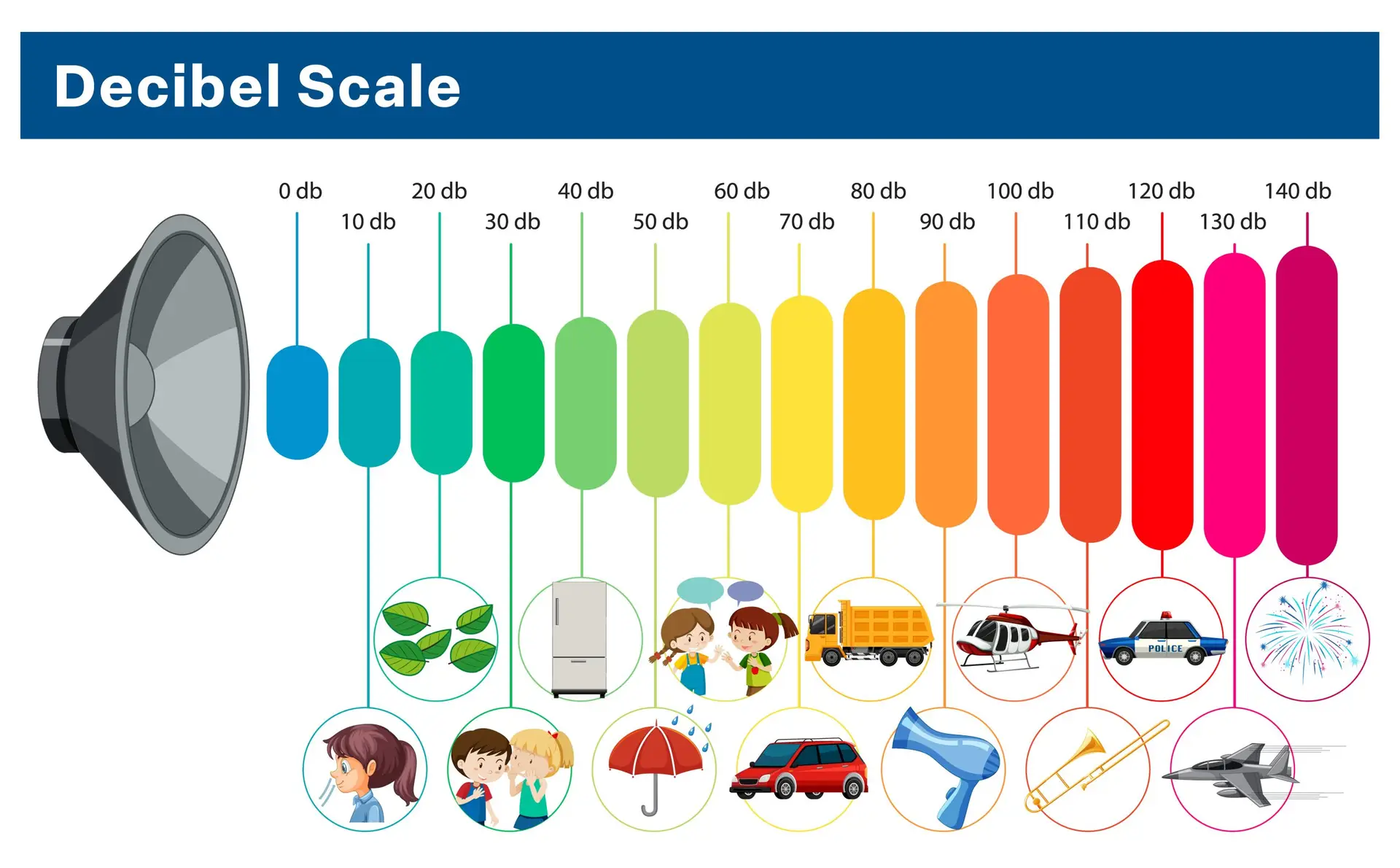
Cooker hood noise is measured in decibels (dB). Because decibels work on a logarithmic scale, even small changes can sound significant.
🔢 What Do Decibel Levels Mean?
- 40–50 dB – Very quiet (similar to a library or gentle background noise)
- 50–60 dB – Comfortable for everyday cooking
- 60–70 dB+ – Clearly noticeable, typically used for heavy frying
💡 Key fact: Every increase of around 6 dB sounds twice as loud to the human ear.
What Affects Noise Levels in Extractor Fans?
Several factors influence how noisy a cooker hood will be:
- Fan speed – Higher speeds = more noise
- Motor quality – Premium motors run smoother and quieter
- Airflow resistance – Filters and ducting add resistance
- Installation method – Ducted systems are usually quieter
Ducted vs Recirculating – Noise Comparison
- Ducted extractor fans
- Vent air outside
- Less resistance
- Usually quieter overall
- Recirculating extractor fans
- Push air through grease and carbon filters
- More resistance
- Can be slightly louder, especially at higher speeds
What Is a “Quiet” Cooker Hood?
As a general guide:
- Below 50 dB – Excellent (very quiet)
- 50–60 dB – Ideal for most kitchens
- 60 dB+ – Acceptable for short periods
Many modern cooker hoods operate between 49–61 dB, depending on the speed selected — quiet on low settings and more powerful when needed.
Cooker Hood Filters Explained
Filters are essential for both air quality and noise control. Dirty or incorrect filters can reduce performance and make your hood noticeably louder.
Grease Filters – Standard on All Cooker Hoods
Grease filters:
- Trap oil and grease particles
- Protect the motor and fan
- Help maintain efficient airflow
Grease Filter Maintenance Tips
✔ Usually made from aluminium or stainless steel
✔ Reusable and washable
✔ Clean every 4–6 weeks
✔ Dishwasher-safe on a gentle cycle (check manufacturer advice)
🔧 Tip: Clean grease filters reduce strain on the motor — helping keep noise levels down.
Carbon Filters – For Recirculating Hoods Only
Carbon (charcoal) filters are required when a cooker hood recirculates air back into the kitchen.
They:
- Absorb cooking odours
- Improve air freshness
- Prevent smells from lingering
Carbon Filter Care
- Not washable
- Must be replaced every 3–6 months (depending on cooking habits)
- Blocked carbon filters reduce airflow and increase noise
Filter & Noise Comparison Table
| Feature | Ducted Hood | Recirculating Hood |
| Grease filter | ✔ Yes | ✔ Yes |
| Carbon filter | ✖ No | ✔ Required |
| Odour removal | Excellent | Good |
| Noise levels | Lower | Slightly higher |
| Maintenance | Clean grease filter | Clean grease + replace carbon filter |
How to Reduce Extractor Fan Noise
Follow these simple tips to keep your kitchen quieter:
✅ Choose ducted extraction where possible
✅ Keep ducting short and straight
✅ Clean grease filters regularly
✅ Replace carbon filters on time
✅ Use lower fan speeds for light cooking
✅ Match hood size to hob size
Final Thoughts
A good cooker hood should be effective without being intrusive.
By understanding:
- how noise levels work
- the difference between ducted and recirculating systems
- and the importance of clean, correct filters
you can enjoy a kitchen that stays fresh, comfortable, and quiet — even when cooking at full power.
When choosing an extractor fan on tommiekelly.ie, paying attention to noise ratings and filter systems will ensure long-term satisfaction and a better cooking experience.